 LyonVitality
Lyon Culinary Traditions and Metabolic Research
Published: February 2026 | Reading Time: 8 minutes
Historical Context of Lyon Cuisine
Lyon, located at the confluence of the Rhône and Saône rivers in southeastern France, developed a distinctive culinary tradition reflecting its geographic position at the crossroads of French regions. The city's gastronomic heritage, developed over centuries, emphasizes quality ingredients and thoughtful preparation.
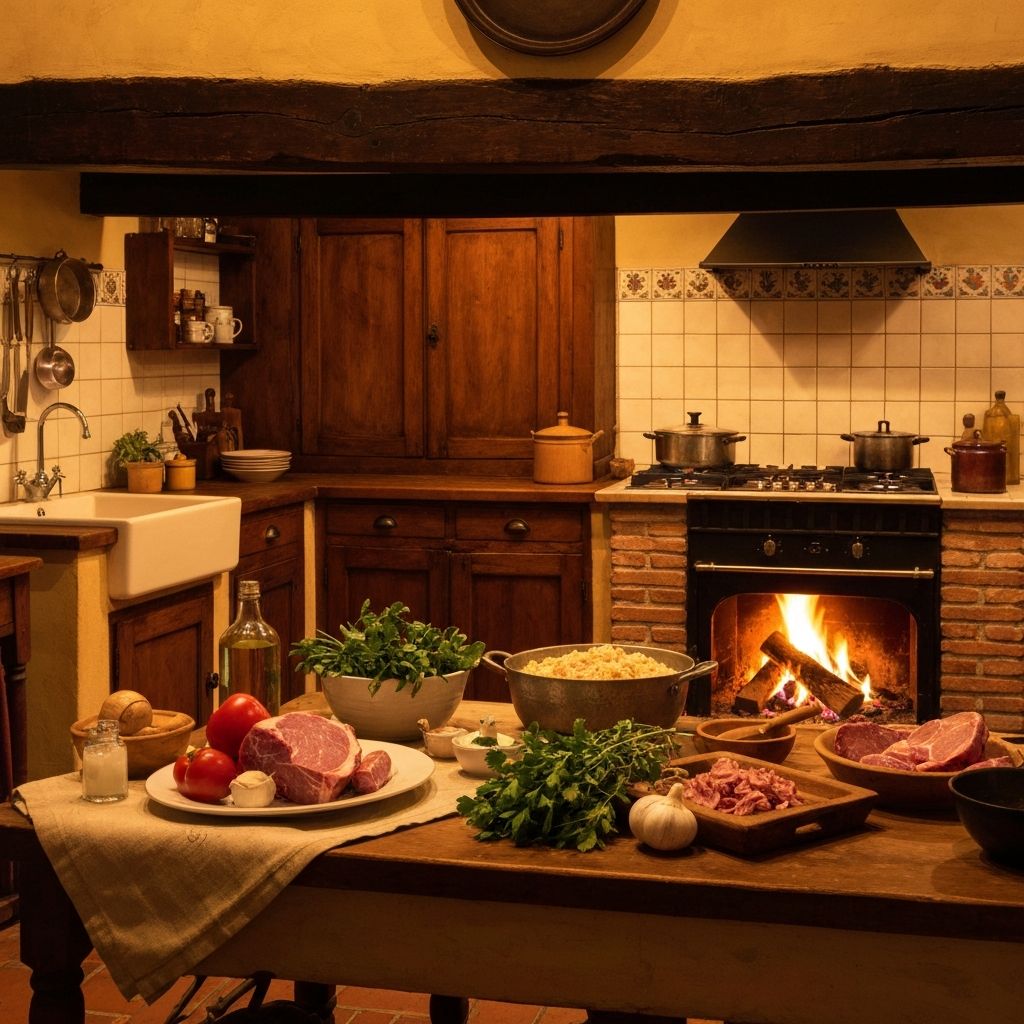
Traditional Lyon cuisine centers on locally-sourced, seasonal products: meats from the surrounding regions, fresh vegetables from regional markets, aged cheeses from diverse French producers, and wines consumed in moderation. This approach to food reflects principles that modern nutritional science has come to recognize as optimal.
Regional Products and Nutritional Science
Quality Meats
Traditional Lyon cuisine features regional meat preparations including quenelles (light dumplings), andouillette (traditional sausage), and high-quality cuts prepared with careful techniques. From a nutritional perspective, these meats provide complete proteins containing all essential amino acids, B vitamins, iron, and other micronutrients essential for physiological function.
The emphasis on quality and preparation method reflects understanding of nutrient preservation and bioavailability. Slow cooking techniques, for example, can make certain nutrients more accessible to the digestive system.
Fresh Vegetables
Fresh seasonal vegetables feature prominently in traditional Lyon cuisine—salads with varied greens, prepared vegetables, and vegetable-based sauces. Nutritional science confirms that vegetables provide fiber, micronutrients, phytonutrients, and other beneficial compounds essential for metabolic health, satiety, and overall function.
The traditional emphasis on seasonal, local vegetables aligns with modern understanding of nutrient density—vegetables harvested at peak ripeness contain higher nutrient concentrations than those harvested prematurely for transportation.
Aged Cheeses
Lyon's proximity to cheese-producing regions provides access to diverse aged cheeses. From a nutritional perspective, cheese provides calcium, protein, fat-soluble vitamins (particularly vitamin A), and beneficial compounds from fermentation. The fermentation process involved in cheese production creates bioactive compounds that may support digestive health.
Wine in Moderation
Wine consumed in moderation—a single small glass during meals—is integrated into traditional Lyon dining. Moderate wine consumption has been studied extensively, with research suggesting that moderate intake may be associated with certain health markers in some populations. The cultural practice of wine with meals reflects understanding of moderation and social context in eating.
Principles Underlying Traditional Practices
Whole Foods, Minimal Processing
Traditional Lyon cuisine emphasizes whole foods with minimal processing—fresh meats, vegetables, cheeses, and basic ingredients. Contemporary nutritional science consistently demonstrates advantages of whole foods compared to ultra-processed alternatives: better satiety, improved nutrient profile, and better metabolic outcomes.
Nutrient Density Over Caloric Density
Traditional preparations emphasize nutrient-dense foods rather than calorie-dense processed alternatives. While some traditional dishes contain rich sauces with fats, they are typically consumed in moderate portions alongside vegetables and other foods providing fiber, vitamins, and minerals.
Balanced Composition
Typical traditional meals combine protein sources (meat, cheese), vegetables (providing fiber and micronutrients), and modest amounts of additional fats or starches. This balanced approach provides varied macronutrients and micronutrients supporting different physiological functions.
Mindful Consumption Practices
Traditional dining culture emphasizes eating in social context, without distraction, allowing proper satiety signaling. Meals are not rushed—food is tasted and enjoyed. This approach supports natural appetite regulation and prevents overeating despite adequate nutrition.
Contemporary Nutritional Science Support
Modern nutritional research supports many principles embodied in traditional Lyon cuisine:
- Mediterranean diet patterns (to which Lyon cuisine is related) are extensively researched and associated with various health benefits
- Whole foods consistently outperform processed alternatives in nutritional outcomes
- Adequate protein intake supports metabolism, satiety, and muscle maintenance
- Vegetable and fiber intake supports digestive health and metabolic function
- Moderate intake of varied foods, including some traditionally considered "rich," can be part of balanced nutrition
- Food culture and eating practices significantly influence metabolic outcomes
Contemporary Application and Individual Variation
While traditional Lyon cuisine reflects sound nutritional principles, modern application requires recognizing individual variation. People respond differently to the same foods based on digestive health, metabolic status, activity level, and other factors.
The value of examining Lyon's culinary traditions lies not in adopting a specific diet, but in recognizing principles that have proven resilient across centuries: emphasizing whole foods, seasonal production, quality ingredients, balanced meals, and mindful consumption practices. How these principles manifest in individual eating patterns will vary substantially.